MNREC

Essential raw materials for modern technology

17 elements widely used in high-tech products such as electric vehicles, wind turbines and smartphones.

Rare earth elements (REE) is the collective name for 17 chemical elements with similar properties, which have been mined and used worldwide for about 70 years.

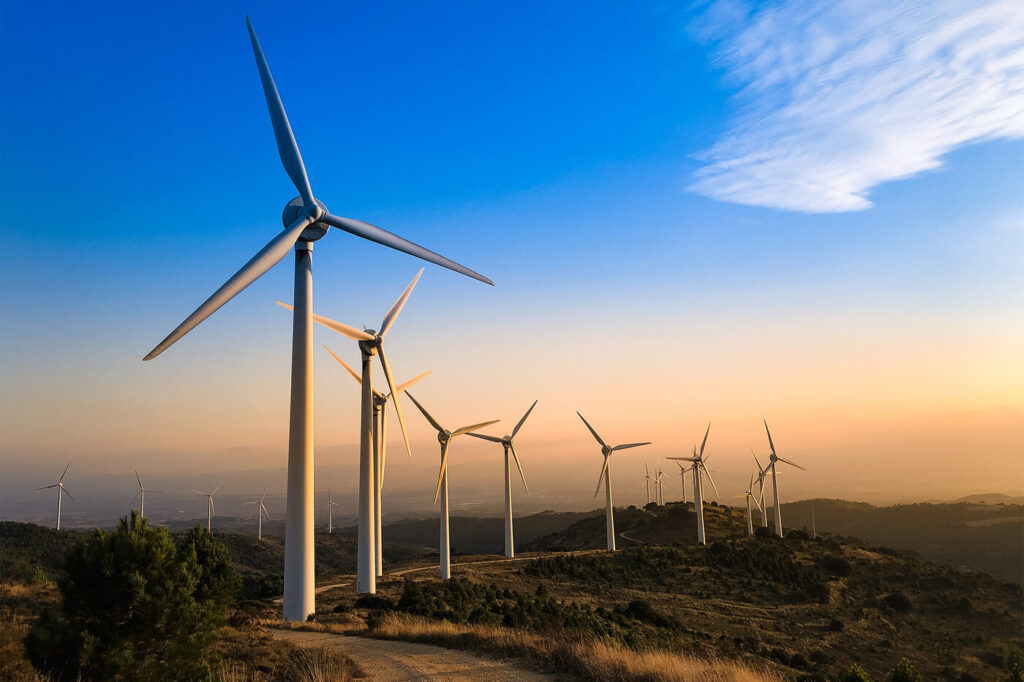
REE are essential raw materials for high-tech products such as electric vehicles, wind turbines and smartphones.

In 2023, the U.S. Department of Energy included Dysprosium, Neodymium, Praseodymium and Terbium on its list of critical materials for energy technologies. The European Union’s Critical Raw Materials Act (2024) classifies REE as strategic raw materials.

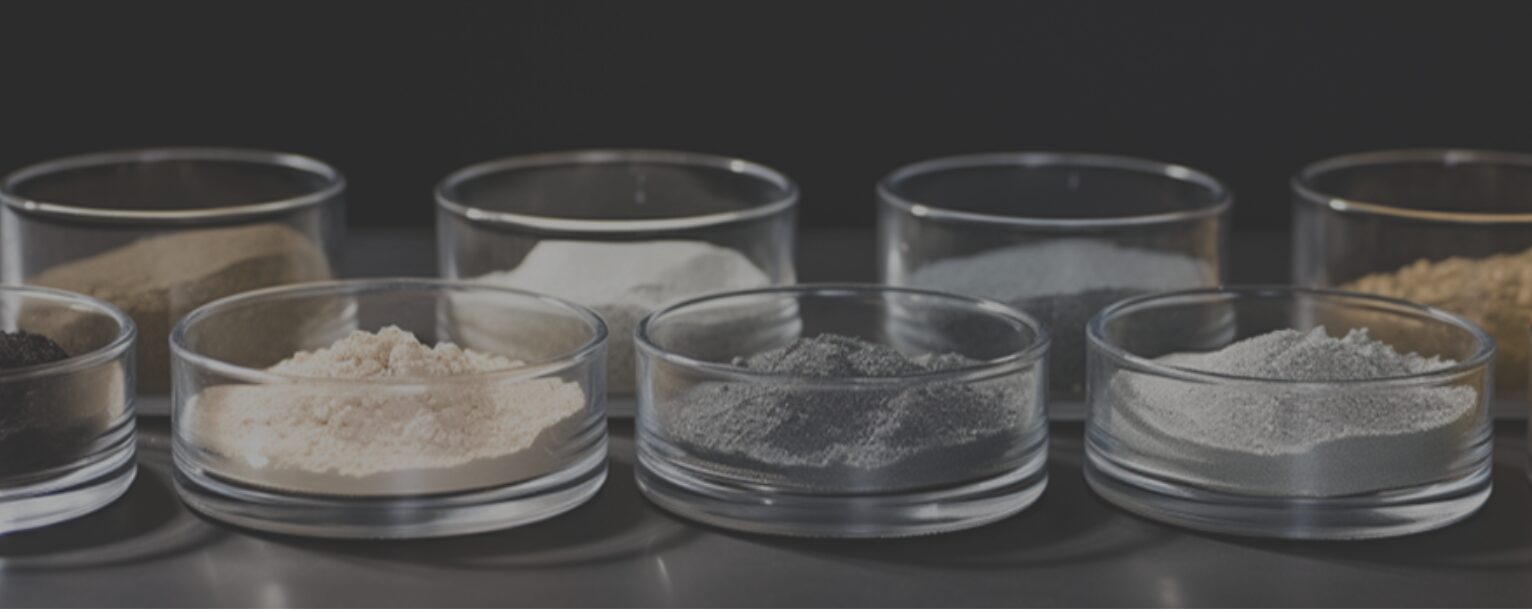
Газрын ховор элементийн ислийн дээж
Rare earth oxide powder

Two groups, different value

Rare earth elements are divided into two main groups: light (LREE) and heavy (HREE). Click one of the four elements to learn more.

LREE

Light REE

“Light” refers to atomic number, not weight. The group includes the elements from lanthanum to samarium, which are relatively abundant in nature. Neodymium and praseodymium are the key raw materials for permanent magnets.

HREE

Heavy REE

The group includes the elements from europium to lutetium, plus yttrium. They are scarce in nature and their production is concentrated in a few countries, which makes them highly valuable. Dysprosium and terbium keep magnets performing stably at high temperatures.

Supply and scarcity

Global supply of heavy REE depends on a small number of sources. Khalzan Buregtei is a deposit with the potential to diversify this supply.

What the four elements are used for

Диспрозийн хэрэглээ

Dy

Dysprosium

Heavy REE · Dysprosium

Improves the performance of NdFeB magnets at high temperatures.

Тербийн хэрэглээ

Tb

Terbium

Heavy REE · Terbium

Enhances magnet performance at high temperatures.

Неодийн хэрэглээ

Nd

Neodymium

Light REE · Neodymium

Used to make neodymium-iron-boron (NdFeB) magnets, the strongest type of permanent magnet.

Празеодийн хэрэглээ

Pr

Praseodymium

Light REE · Praseodymium

Usually alloyed with neodymium to increase magnetic strength and heat resistance.

Dispersed reserves, concentrated processing

REE reserves, 2024

REE reserves are spread across many countries. The table shows reserves by country.

Country

Million tonnes

China

44.0

Brazil

21.0

India

6.9

Australia

5.7

Russia

3.8

Vietnam

3.5

Other

3.2

Global REE reserves, 2024, million tonnes REO

REE production, 2024

Mining, and processing in particular, is even more concentrated than reserves. The table shows 2024 production by country.

Country

Tonnes

China

270,000

United States

~45,000

Myanmar

~31,000

Australia

~13,000

Other (Nigeria, Thailand, etc.)

31,000

Global REE production, 2024, tonnes REO

The clean energy transition is driving demand

In 2024, the global REE market was valued at approximately US$5.62 billion. Other estimates put the market at US$3.75 billion in 2024, rising to nearly US$9.91 billion by 2034.

01

Demand drivers

02

Supply landscape and challenges

03

Trends and outlook

Khalzan Buregtei: a source of heavy REE